Ask any operations manager why they haven’t automated piece picking yet, and the answer usually comes back to product variety. Too many SKUs. Items change every season. The mix shifts when a new client comes on board.
That answer made sense five years ago. It’s less true today.
Traditional robotic automation required reprogramming for each new item type. Bring in a new product, update the system. Change the packaging, update the system. For 3PL providers managing three-year client contracts with rotating SKU sets, that model was a non-starter.
AI vision changes the economics.
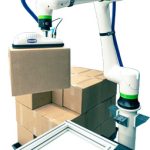
CMES AI Robotics piece picking systems recognize millions of item types immediately, right out of the box, without prior training on each SKU. The system identifies shape, size, packaging type, and orientation in real time. Bundled products, bubble wrap, reflective packaging, poly-bagged items, the robot handles them without custom tooling or manual reprogramming.
For 3PL operations, that means a single robotic automation system that adapts to new clients and new SKU mixes without a re-engineering project each time. The flexibility that made automation impractical is now the thing that makes it possible.
If your SKU mix has been the reason you haven’t looked at warehouse robotics yet, it’s worth a second look.
Visit www.piecepicking.com to see how CMES handles product variability.
Reach out at info@piecepicking.com