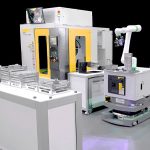
Faster shipping with fewer touches is the new baseline. The most reliable way to get there is to connect Piece Picking directly to pack, creating a steady lane from tote to shipping label. This post explains how a modern robotic piece picking system works, where the value shows up first, and what to validate before you buy.
How a modern cell actually works
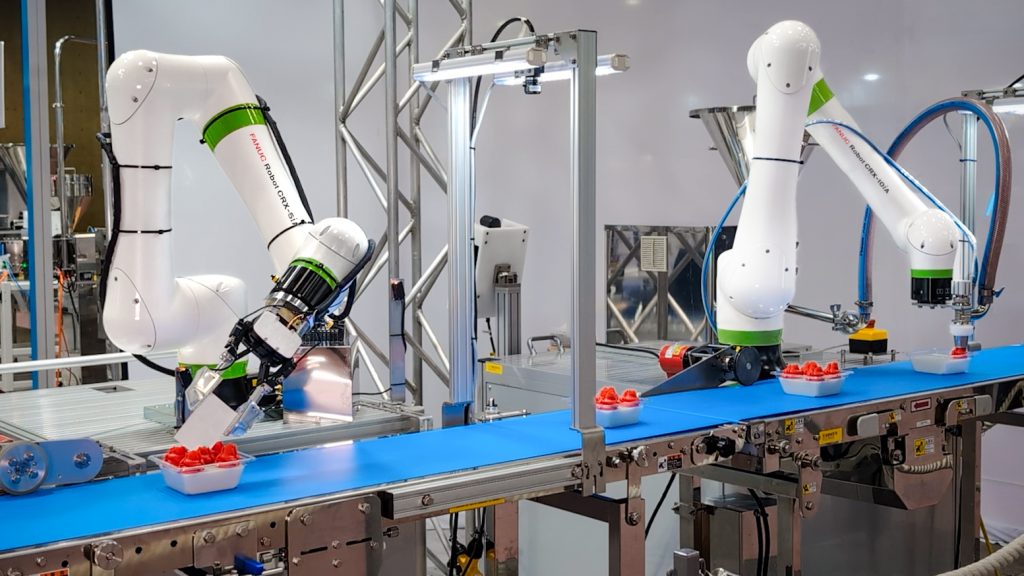
At the center is an AI picking robot guided by AI vision picking. Cameras identify the next item in a tote, select a stable grasp, and the arm moves it with repeatable precision. In most layouts, the arm acts as a pick and place robot, handing off to the next step chute, carton, or bagging throat. Pairing the cell with robotic bagging (often called autobagging) enables direct-to-bag fulfillment: pick → drop → seal → label → sortation. That tight loop removes buffer touches and stabilizes warehouse automation picking across shifts.
Why it holds up on real floors
Real warehouses are messy. Totes arrive in random picking conditions mixed orientations, reflective film, soft mailers, clear clamshells. A capable warehouse picking robot handles this variety using depth sensing, grasp libraries, and confidence checks. The outcome is predictable throughput, fewer mispicks, and a consistent presentation at weigh/scan.
Where value shows up first
-
Shorter cycle time: Fewer handoffs and direct labeling compress the path from order release to ship.
-
Higher accuracy: Vision confirmation and standardized handoffs reduce reships and damage.
-
Scalable staffing: A steady automated lane maintains service levels during peaks without adding floor space.
Packaging choices that match the picker- piece picking
If your mix skews toward single-item orders, integrate an autobagging station so the picker feeds the bagger at cadence. For multi-item orders, route to a carton flow but keep the same vision-confirmed pick step. Either way, the principle is the same: synchronize the picker’s takt time with packaging to avoid starve/block conditions.
What to validate in a pilot (use this checklist)
-
SKU coverage & accuracy: Test rigid boxes, soft goods, glossy wraps, and clear shells. Track first-pass pick success and exception rates over multi-hour runs.
-
Sustained throughput: Measure average picks per hour under your lighting and tote pitch; peaks alone can mislead.
-
Integration depth: Confirm clean handshakes with WMS/WES, scanners, scales, and the bagger so confirmations and labels post automatically.
-
Changeover & learning: New SKUs should take minutes; the system should improve grasp strategies over time.
-
Uptime & service: MTBF/MTTR, spares availability, and remote diagnostics matter as much as robot specs.
-
Operator workflow: Clear dashboards, fast exception recovery, and simple replenishment drive day-two success.
Comparing vendors with data not hype
Searches like piecepicking vs osaro are common when shortlisting. Use them as a cue to run side-by-side trials with your SKUs, identical fixtures, and a neutral scorecard: coverage, sustained PPH, exception recovery, integration effort, and support quality. The best platform is the one your operators trust on a peak Monday.
Getting started
Begin with a focused lane single-line orders or top movers to prove the numbers quickly. Once stable, replicate horizontally and tighten upstream standards (slotting, tote fill, label placement) to multiply downstream gains.
A well-implemented automated piece picking cell driven by an AI picking robot, orchestrated as pick and place, and finished with robotic bagging turns Piece Picking into a dependable engine. Validate on your floor, compare vendors on equal terms, and scale what works to make warehouse automation picking faster, cleaner, and more predictable.