What “Direct-to-Bag” Really Means
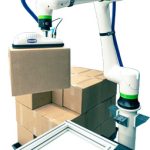
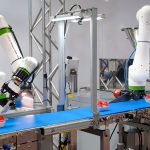
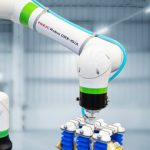
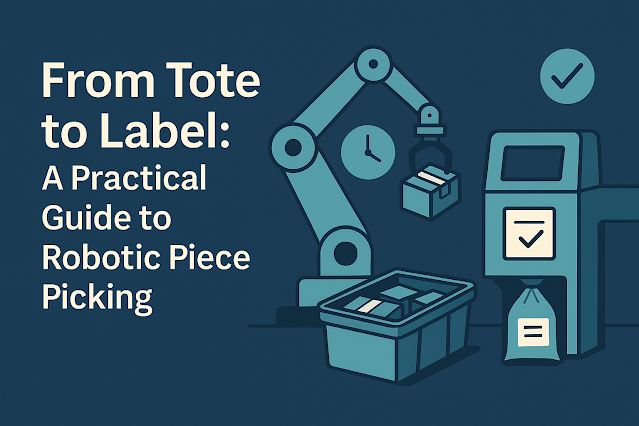
In a modern cell, an AI picking robot identifies the next item in a bin, selects a safe grasp, and places it with millimeter-level consistency. The arm usually runs as a pick and place robot, handing the item straight to a bagging throat. From there, the bagger opens, seals, prints, and verifies true direct-to-bag fulfillment. No buffer tables. No extra touches. Just pick → drop → seal → label → sortation.
Why It Works in the Real World
-
Handles variation: Advanced vision and grasp libraries allow reliable random picking mixed orientations, shiny films, soft mailers, clear clamshells.
-
Stabilizes throughput: A synchronized warehouse picking robot + bagger turns stop-start work into a steady tempo you can plan around.
-
Cuts rework: Vision confirmation and standardized handoffs reduce mispicks and damaged packaging.
Choosing the Right Bagging Platform
Not all packaging equipment is equal and your SKUs will expose the differences fast.
-
Auto bag filling machine: Prioritize seal integrity, print quality, and changeover speed. Recipes should switch in minutes, not hours.
-
Autobag packaging systems: Look for consistent open/insert timing and label verification. Audit first-pass success rates, not just peak bags/hour.
-
Auto bagging machine manufacturers: Compare service SLAs, spare-parts stocking, and remote diagnostics. Uptime will make or break your ROI.
-
Auto bagger for sale listings: Treat marketplace specs as a starting point. Always pilot with your films, labels, and volume profile.
Pairing the Picker with the Packer
Your bagger is only as fast as the feed. Align takt times so the AI picking robot meets or slightly exceeds the bagger’s cycle. Small upstream tweaks slotting the easiest SKUs in the automated lane, improving tote fill and label placement unlock big downstream gains.
A Neutral Way to Compare Robotics Vendors
If you’ve seen debates like “piecepicking vs osaro,” use them as a nudge to test with your reality. Run side-by-side trials using the same SKUs, lighting, presentation, and scorecard:
-
SKU coverage & accuracy: Rigid boxes, poly mailers, glossy film, clear shells.
-
Sustained rate: Average picks/hour over a full shift. Peaks are marketing; averages pay the bills.
-
Exception recovery: Time to clear mis-grasp, bar-code fail, or weight mismatch.
-
Integration depth: Clean handshakes with WMS/WES, scanners, scales, and the bagger.
-
Support quality: MTBF/MTTR, spare-parts availability, response times.
Pilot KPIs That Predict Success
-
First-pass pick success (%).
-
First-pass bag + label success (%).
-
Sustained picks/bags per hour (pph/bph).
-
Exception rate and recovery time (seconds).
-
Seal failure and rework (%).
-
Operator touches per order (target: 0 for single-line).
Implementation Tips from the Floor
-
Start narrow. Automate a high-volume, single-line lane or top movers first.
-
Standardize inputs. Simple packaging tweaks (less glare, consistent labels) boost grasp reliability.
-
Design for service. Ensure maintenance access, spare kits, and clear fault guides are in place before go-live.
-
Train for ownership. Cross-train operators on replenish, exception handling, and dashboards; the cell performs as well as the people running it.
The Payoff
A synchronized robotic bagging line fed by a capable warehouse picking robot delivers shorter cycle times, fewer mispicks, and steadier output especially during peaks. Most importantly, it turns fulfillment from a daily fire drill into a predictable, data-driven process that scales.
Match the right picker to the right bagger, validate with your SKUs, and choose vendors on sustained results not demos. That’s how you move from random picks to ready-to-ship, every hour of every shift.